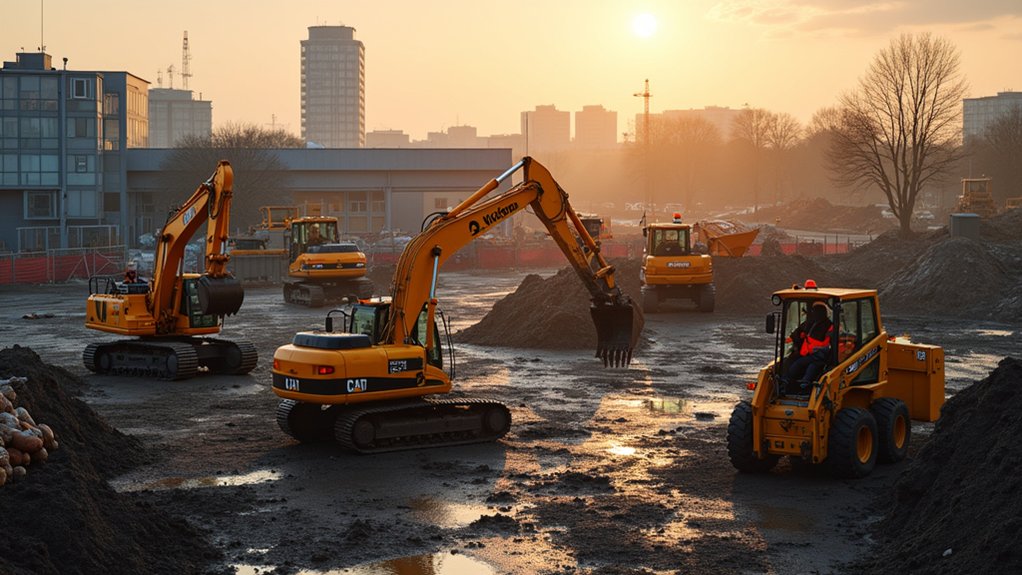
With construction accounting for around 7% of the UK’s economic output, controlling costs and keeping projects moving is essential. When you use plant hire, you can access excavators, telehandlers, cranes and specialist machinery without tying up capital in equipment you may only need temporarily. You’ll also benefit from maintained, compliant plant and greater flexibility as site requirements change—but choosing the right equipment and supplier can make the real difference.
Key Takeaways
- Plant hire reduces capital costs, storage expenses, depreciation, insurance, and maintenance while preserving cash flow for UK construction businesses.
- Contractors can select excavators, dumpers, rollers, telehandlers, access platforms, and low-emission equipment suited to specific project requirements.
- Modern, well-maintained machinery improves site safety, reduces manual handling, increases productivity, and supports compliance with UK regulations.
- Flexible hire periods allow contractors to scale equipment according to project phases, changing conditions, access limitations, and programme demands.
- Reliable suppliers provide certified machinery, qualified operators, maintenance support, inspection records, and responsive service to keep projects moving.
How Plant Hire Cuts UK Construction Costs
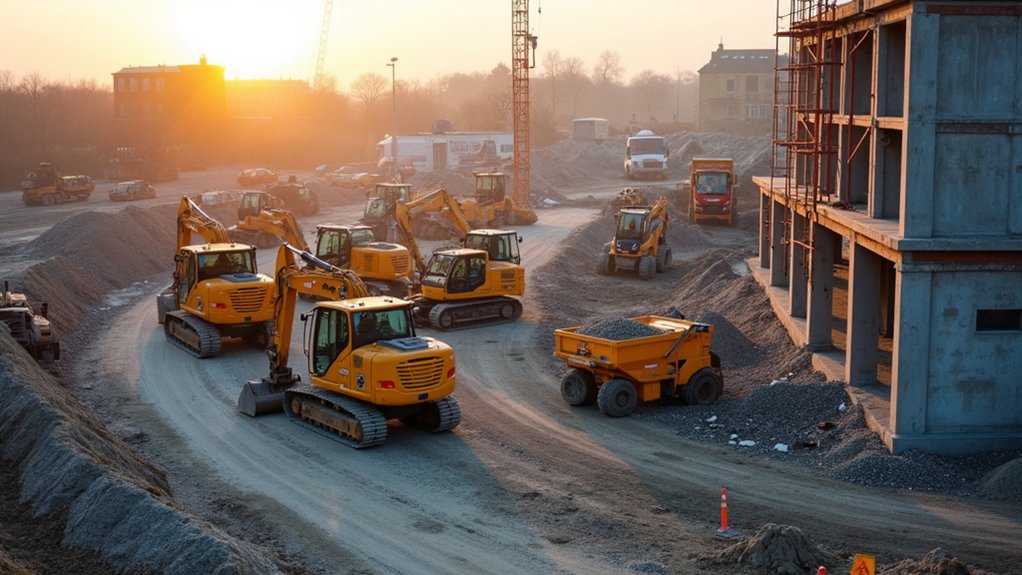
Plant hire cuts UK construction costs by letting you access the right machinery without the capital expense of buying, storing and maintaining it. You’ll preserve cash flow, strengthen tender pricing and match your fleet to each project’s duration, location and workload.
Instead of carrying depreciation, insurance, servicing and storage costs between contracts, you’ll pay for productive use when you need it. A reputable UK hire company can also provide delivery, collection and maintenance support, reducing downtime and unexpected repair bills.
Technological advancements, including telematics and fuel-efficient plant, can improve utilisation and help you control operating costs. You’ll also reduce environmental impact by hiring newer, cleaner machines rather than retaining inefficient assets.
Flexible hire periods let you scale operations quickly, avoid idle equipment and keep site budgets firmly under control.
Which Plant Hire Equipment Do Projects Need?
Choosing the right plant starts with your programme, ground conditions and site access. For groundworks, you’ll typically need excavators, dumpers, rollers and compactors, with attachments matched to trenching, breaking or grading tasks.
Telehandlers and forklifts support material movement, while cranes may suit major structural lifts. Access platforms, towers and tracked access equipment help you reach elevated work areas; select models that fit restricted urban sites and UK safety requirements.
For concrete packages, consider mixers, pumps, screeds and finishing equipment.
Road and infrastructure schemes often require planers, pavers, sweepers and traffic-management support.
You can also specify Sustainable machinery, such as electric excavators or low-emission generators, where noise and emissions matter.
Innovative technology, including machine control and telematics, helps you choose compatible equipment and monitor utilisation throughout the hire period.
Plant Hire for Safer, More Efficient Work
How can the right hire improve site performance? You can create a safer, more productive UK construction site by choosing well-maintained plant with suitable guarding, access systems and operator controls.
Modern excavators, dumpers and telehandlers help you complete demanding tasks accurately, reducing manual handling, fatigue and avoidable incidents.
You’ll also benefit from technological innovations, including machine-control systems, telematics and proximity alerts. These features support better visibility, smoother coordination and more efficient fuel use, while trained operators remain essential for safe operation.
Eco-friendly machinery, such as electric or low-emission models, can reduce site emissions and noise, particularly on urban projects and near sensitive neighbours.
Your hire provider should supply thorough induction, inspection records and responsive maintenance, helping you keep work moving safely without compromising compliance, quality or productivity throughout the build.
How Plant Hire Adapts to Project Demands
Once safety and productivity are covered, your equipment needs must still match the project’s changing demands. Plant hire lets you scale machinery as each phase develops, whether you’re preparing a brownfield site, laying utilities, or completing a commercial build.
You can choose compact excavators for restricted urban access, then move to larger machines when groundworks intensify, without tying up capital in equipment you won’t need later. Equipment versatility also helps you respond to weather, access constraints, and changing schedules across UK sites.
Agreeing the right hire duration keeps costs aligned with progress; short-term hire suits one-off tasks, while longer arrangements support extended infrastructure or housing programmes. As your workload shifts, a reliable hire partner can adjust supply, helping you maintain momentum without carrying unnecessary machinery between phases.
What to Check Before Hiring Plant?
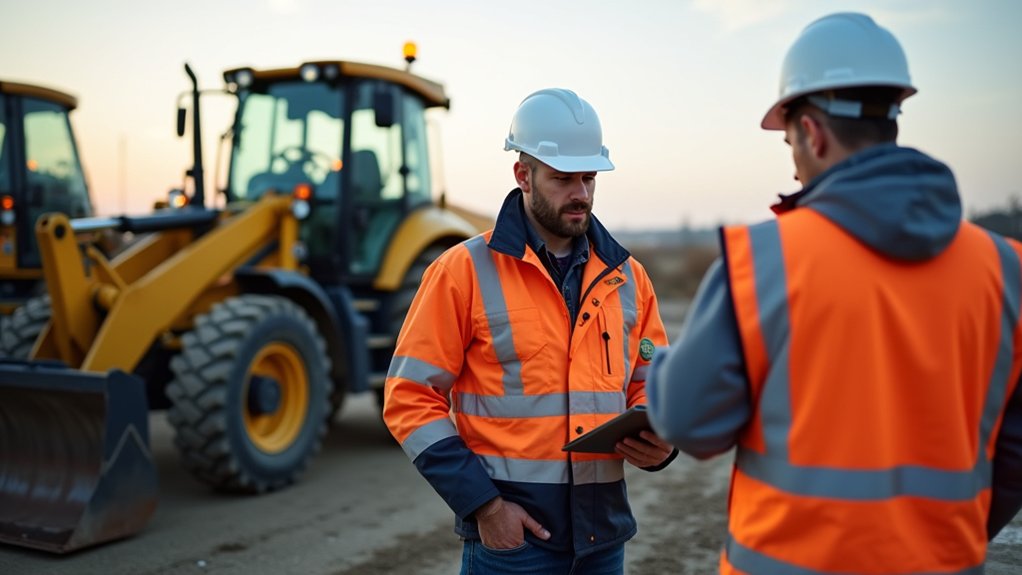
Before arranging plant hire, check that the machine’s specification, attachments, and operating capacity match the task and site conditions.
Confirm ground-bearing capacity, access routes, headroom, gradients, and working space, particularly on constrained UK sites.
Review the hire period, delivery arrangements, fuel requirements, and any charges for overtime, cleaning, or damage.
Ask for current inspection records and verify equipment maintenance, including servicing, safety checks, and defect reporting.
Guarantee operators hold the necessary competence and certifications, such as CPCS or NPORS where applicable.
Check that the equipment includes suitable guarding, alarms, lighting, and lifting accessories, with thorough examination certificates for lifting operations.
You’ll also need to understand relevant hiring regulations, risk assessments, and site rules before mobilisation.
Record handover condition, controls, and emergency procedures to prevent avoidable delays.
How to Choose a Reliable UK Plant Hire Company
Choose a UK plant hire company that maintains modern, well-serviced equipment suited to your project and site conditions. Check inspection records, safety standards and breakdown support before you commit.
You’ll also want reliable delivery, clear hire terms and responsive service to keep your programme on track.
Check Equipment Quality
How can you judge whether a UK plant hire company is reliable? Start by inspecting its fleet, not just its website. Ask for recent equipment maintenance records, LOLER inspection certificates for lifting equipment, and PUWER compliance evidence.
Machines should look clean, serviceable and suitable for demanding UK sites, with guards, warning labels, lights and safety features intact. Check that excavators, dumpers, telehandlers and access platforms match your ground conditions, attachments and lift requirements.
Don’t accept vague answers about age or condition; request photographs or arrange a viewing before signing. You should also research supplier reputation through independent reviews, trade references and contractor recommendations.
A reputable hire firm will clearly identify machine specifications, operating limits and certification dates, helping you select safe, productive plant without relying on unverified claims or assumptions about performance.
Assess Service Reliability
Assess service reliability by testing how the hire company performs beyond supplying machinery. Ask how quickly it responds to breakdowns, sends replacement equipment, and resolves faults across your UK site.
A dependable provider should offer clear escalation routes, realistic response times, and out-of-hours assistance, particularly when delays could affect programme milestones or incur standing-time costs.
Check whether its fleet includes Remote monitoring, allowing technicians to track machine health, usage, and fault codes before failures stop production.
Confirm who handles servicing, how often engineers inspect equipment, and whether parts are readily available nationwide.
Strong Customer support should give you one accountable contact, not a trail of unanswered calls.
Request references from contractors with similar ground conditions, project scales, and schedules.
Reliable plant hire protects productivity, safety, and your budget throughout the contract.
Conclusion
Whether you’re managing a major infrastructure scheme or a small renovation, plant hire can keep your UK project moving without tying up capital. You’ll gain access to the right machinery, safer working methods, and greater flexibility—without owning, storing, or maintaining every machine. However, cheap hire can become costly downtime if equipment or suppliers fall short. Choose well-maintained plant, transparent terms, and dependable support, and you’ll turn changing site demands into productive, controlled progress.
About the Author


