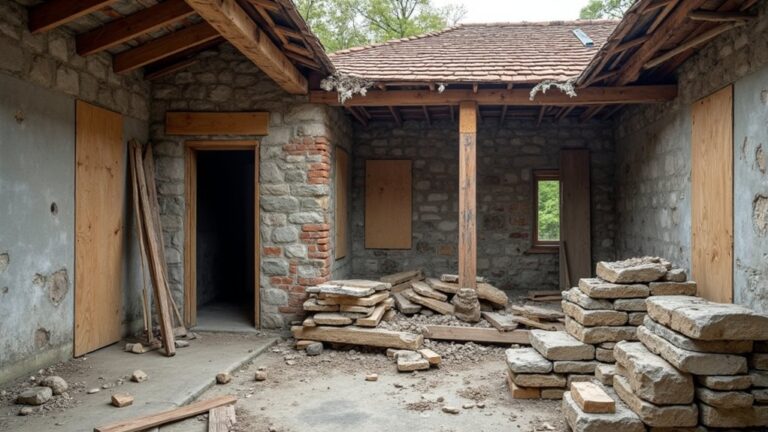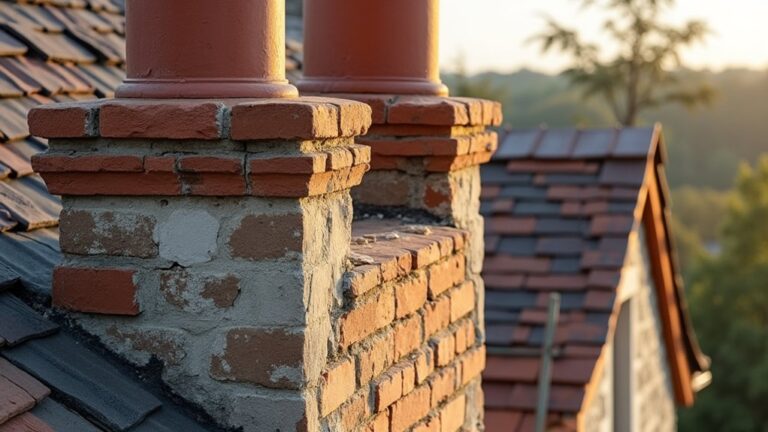

Restoring a period fireplace safely and authentically starts with restraint: inspect what survives before you clean, remove, or replace anything. You’ll need to assess the chimney, hearth, firebox, flue, and surrounding masonry, while recording original materials and details. Preserve sound historic fabric wherever possible, then introduce discreet safety upgrades that respect the structure’s character. The right sequence matters, because one overlooked defect can undermine both authenticity and safe operation.
Key Takeaways
- Inspect the chimney, flue, breast, opening, lintel, fireback, and hearth for blockages, damage, moisture, movement, and unsafe alterations.
- Preserve sound original bricks, tiles, stone, timber, ironwork, and finishes, repairing rather than replacing historic fabric wherever possible.
- Repoint masonry with compatible breathable mortar, and use gentle, reversible cleaning methods that retain patina and tool marks.
- Upgrade defective flues, ventilation, hearths, and firebacks with approved materials while respecting the fireplace’s period proportions and operation.
- Document every intervention, follow heritage and building regulations, install smoke and carbon-monoxide protection, and schedule annual inspections.
Inspect the Fireplace Before Restoration

Before restoring a period fireplace, inspect its structure, materials, and history carefully.
Begin with a chimney inspection to identify blockages, damaged flues, loose masonry, and signs of moisture. Hire a qualified professional when access, height, or structural risk exceeds your experience.
Examine the breast, opening, lintel, fireback, and surrounding wall for cracks, movement, smoke staining, or previous alterations. Check whether the fireplace remains connected to its original flue and determine how it was designed to operate.
Complete hearth cleaning cautiously, removing ash and debris without disturbing fragile joints or embedded evidence. Photograph each condition and record measurements before any work begins.
Consult local building requirements and heritage guidance, especially where the fireplace forms part of a listed or historically significant interior.
Stop immediately if you find instability, hazardous materials, or structural movement.
Preserve Period Materials and Original Details
Preserve original bricks, tiles, stone, timber, ironwork, and decorative finishes wherever they remain sound, because their tool marks, patina, and minor irregularities document the fireplace’s age and construction. You’ll support Historical accuracy by repairing rather than replacing surviving fabric.
Repoint masonry with a compatible, breathable mortar, and match existing joints in colour, profile, and texture.
Clean cautiously: use soft brushes, low-pressure methods, and gentle, reversible treatments before considering harsher options. Don’t sand away aged surfaces or coat them with modern finishes that obscure evidence.
Retain original tiles, even when they show small chips, and store any removed pieces, labels, or fragments securely. Record each intervention with photographs and notes.
This disciplined Material preservation approach keeps the fireplace’s character legible while allowing carefully matched repairs where loss genuinely requires them.
Upgrade Flues and Fireplaces for Safety
Upgrade the flue and fireplace only after evaluating the original structure, chimney, ventilation, and intended fuel. Have a qualified sweep inspect the stack for cracks, blockages, unstable masonry, and evidence of tar or smoke leakage.
Install a suitable chimney lining where the existing flue fails current requirements, ensuring its diameter and material match your stove or fire.
Don’t seal historic air vents or alter the opening without checking how the room draws combustion air.
Fit an approved hearth, fireback repair, or insert that respects the proportions and materials of the period design.
Use non-combustible surrounds and maintain required clearances from timber, plaster, and flooring.
Follow local regulations, manufacturer guidance, and essential safety precautions.
Test smoke evacuation and carbon-monoxide protection before lighting your first fire.
Keep written inspection records for future servicing.
Finish the Restoration and Maintain Its Character
Once the structural and safety work is complete, finish the fireplace with materials and details that reflect its period character. Match replacement bricks, tiles, mortar, plaster, or timber to surviving evidence, rather than choosing overly polished modern substitutes.
Clean original surfaces gently; avoid abrasive methods that erase tool marks, soot patina, or historic paint layers. Reproduce missing mouldings and grates only when photographs, neighbouring examples, or physical traces provide reliable guidance.
Choose Decorative accents, such as period-appropriate firebacks, irons, or tiles, with restraint so they support, not imitate, the original design. Modern integrations, including discreet dampers, lighting, or protective screens, should remain reversible and visually subordinate.
Record every intervention, retain loose historic components, and inspect the hearth, flue, mortar, and finishes annually. Prompt repairs will protect authenticity and safety for future generations.
Conclusion
By inspecting carefully, preserving original fabric, and upgrading hidden safety elements, you’ll restore your period fireplace with confidence. Don’t sacrifice historic character for convenience: repair wherever possible, document every intervention, and guarantee qualified professionals assess chimneys, flues, and hearths. Even the smallest detail can carry a mountain of meaning. With regular maintenance and reversible improvements, you’ll enjoy a safer fire while keeping the room’s authentic story, craftsmanship, and sense of place alive for generations to come.
About the Author