Like a careful steward of a Georgian legacy, you’ll need to balance modern comfort with the townhouse’s original character. Start by surveying every floor, roof space, and service route, then set a realistic budget for urgent repairs and conservation work. Next, secure the right permissions before stabilizing the structure, upgrading utilities, and improving insulation. With the framework protected, you can restore period details room by room—but the most sensitive decisions come before the first tradesperson arrives.
Key Takeaways
- Commission a conservation survey to assess structure, damp, services, roofing, historic features, costs, contingencies, and essential repairs.
- Secure listed-building, planning, building-regulations, and conservation approvals before stabilising masonry, roofs, foundations, and other structural defects.
- Upgrade electrical, plumbing, heating, drainage, ventilation, and insulation discreetly, using breathable materials and carefully planned service routes.
- Restore cornices, fireplaces, shutters, doors, plaster, floors, and joinery by repairing original fabric and matching traditional materials.
- Complete sympathetic decoration and landscaping, then photograph, record, and document every alteration for future maintenance and conservation.
Survey the Townhouse and Set Your Budget
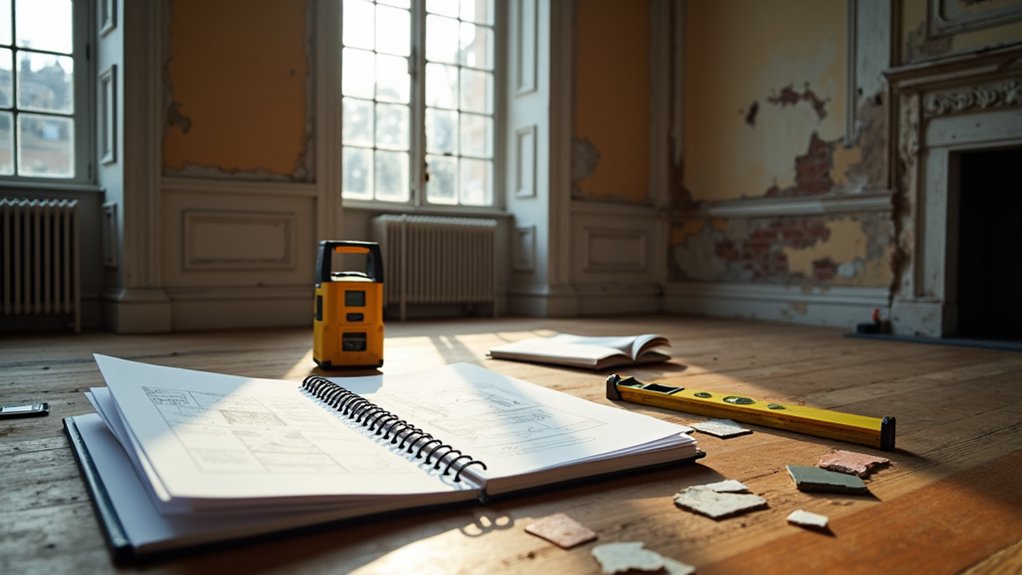
Before planning any work, commission a thorough survey of the Georgian townhouse to identify structural movement, damp, defective services, roof problems, and alterations that may affect its historic character.
Ask an experienced conservation surveyor to record original joinery, plasterwork, fireplaces, staircases, floors, and external details. Request photographs, measured observations, and urgent maintenance recommendations, but don’t treat the report as a renovation wish list.
Separate essential repairs from improvements, then price each item using realistic quotations and a contingency for concealed defects. Include professional fees, surveys, insurance, temporary accommodation, and VAT in your budget.
Allocate separate allowances for Interior decoration and Landscaping design, while prioritising work that protects the building’s fabric.
Review your finances honestly, phase discretionary upgrades, and keep a reserve so ambition doesn’t compromise conservation or workmanship.
Secure Permissions and Plan Structural Repairs
Start by confirming which permissions your Georgian townhouse requires: listed-building consent, planning permission, building-regulations approval, or conservation-area consent. Contact your local authority’s conservation officer before instructing trades, and obtain written decisions; unauthorised work can bring enforcement action and complicate resale.
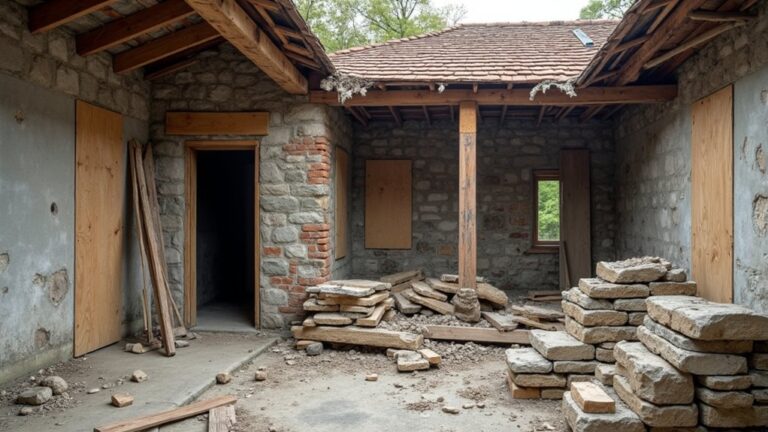
Commission a structural survey from an engineer experienced with historic masonry. Ask them to investigate cracks, movement, damp-related decay, roof spread, failing joists, and altered openings.
Prioritise stabilisation, then prepare drawings and a method statement that protect original fabric. Retain sound lime plaster, timber, stone, and joinery wherever possible, specifying compatible repairs rather than hard cement or unnecessary replacement.
Balance Historical accuracy with Modern amenities by concealing necessary interventions and documenting every change. Build realistic contingencies into your budget, programme, and contracts, and require approved details before work begins.
Regular inspections will keep repairs safe, compliant, and faithful to the townhouse’s character.
Upgrade Services, Insulation, and Energy Efficiency
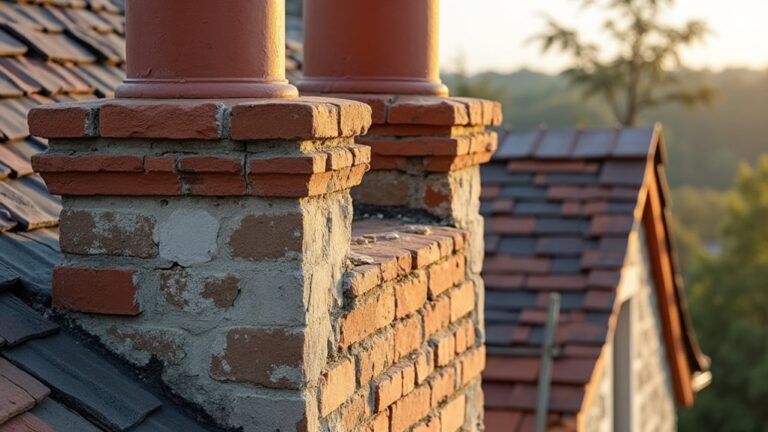
Upgrade services with a heritage-first strategy, because poorly routed cables, pipes, or ductwork can damage original fabric and create future maintenance problems. Map existing systems, then consolidate routes through service risers, floor voids, or later partitions wherever possible.
Have qualified specialists inspect wiring, plumbing, drainage, heating, and ventilation before you specify replacements. Improve comfort by insulating the roof, suspended floors, and accessible walls, while preserving breathable construction and avoiding trapped moisture.
Use secondary glazing or draught-proofing where appropriate, rather than replacing historic windows unnecessarily. Choose efficient boilers, heat pumps, or compatible renewable systems after evaluating the building’s fabric and capacity.
Add modern fixtures discreetly, and use smart technology to monitor temperature, humidity, and energy consumption without harming significant surfaces. Record every route and alteration for future maintenance and approvals.
Restore Period Details and Finish Each Room
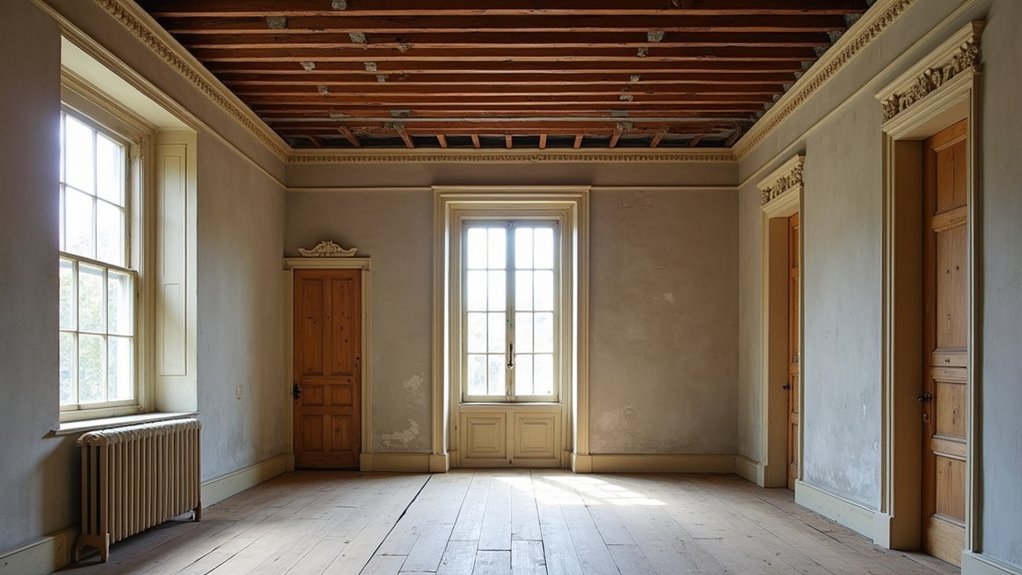
Once services and insulation are resolved, restore the townhouse’s period details before applying final finishes. Repair, rather than replace, original cornices, ceiling roses, shutters, skirting boards, doors, and fireplaces wherever possible. Match missing sections with profiles taken from surviving examples, and use traditional materials to preserve Historical accuracy.
Don’t strip every surface: retain patina on sound joinery, but remove hazardous coatings and stabilise damaged timber. Choose lime plaster and breathable paints for older walls, allowing them to regulate moisture naturally.
Plan interior decoration room by room, balancing Georgian proportions with modern comfort. Use restrained colours, appropriate ironmongery, and period-style lighting without creating a museum replica.
Before decorating, test paint samples in changing light. Finish floors, trim, and hardware carefully, then photograph completed details for future maintenance and records.
Conclusion
Renovating a Georgian townhouse demands patience, planning, and respect for its history. Once you’ve surveyed the building, secured permissions, repaired its structure, upgraded services, and restored its period details, you’ll have created more than a comfortable home. You’ll have renewed a living piece of architectural heritage. Treat every original feature as a thread in the building’s story, and make each modern intervention discreet, durable, and reversible. With careful documentation, your finished house can serve the future without losing its past.
About the Author