

Selling your home can feel like preparing for the biggest inspection of your life, but a clear plan keeps the process manageable. Set a realistic timeline, complete essential repairs, and remove clutter and personal items that may distract buyers. Deep-clean each room, improve curb appeal, and stage the space to show its potential. Use local market data to set a competitive price, then prepare carefully for photos, showings, and offers—because one overlooked detail could affect your results.
Key Takeaways
- Set a realistic selling timeline, allowing time for repairs, staging, marketing, inspections, and potential buyer delays.
- Price your home using recent comparable sales, current listings, property condition, location, and local market feedback.
- Complete essential repairs, resolve safety issues, and consider a pre-listing inspection to identify hidden problems.
- Declutter, depersonalize, deep-clean, and arrange furniture to create spacious, welcoming rooms for photographs and showings.
- Improve curb appeal, use professional photography, accommodate showings, and evaluate offers based on complete terms—not price alone.
Set a Realistic Home Sale Timeline
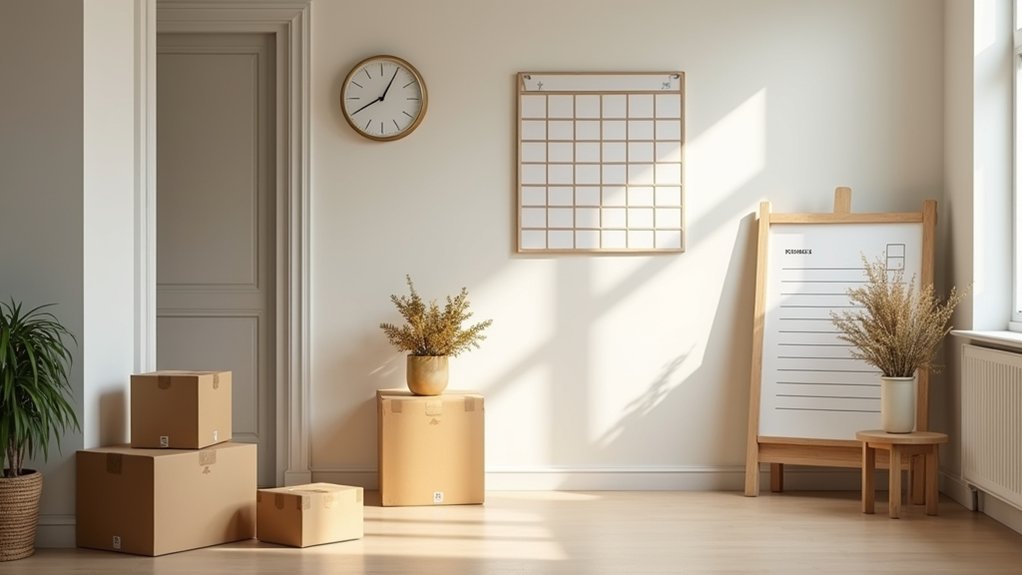
Set a realistic timeline by considering your local market, property condition, and personal moving plans. Research recent comparable sales to understand typical listing-to-closing periods in your area, then allow extra time for negotiations, inspections, financing, and title work.
If demand is strong, you may attract offers quickly, but don’t assume a rapid sale. Schedule home staging, photography, and marketing before you list, and coordinate those appointments with your target move date.
Build flexibility into your plan so a delayed closing or buyer request doesn’t disrupt your next steps. You’ll also need emotional readiness; selling can feel personal, especially when you’ve lived in the property for years.
Establish decision deadlines, communicate them to your agent, and review the timeline weekly so you can adjust strategically without rushing.
Make Essential Repairs Before Listing
Before listing, identify necessary repairs that could raise buyer concerns or weaken your negotiating position. Prioritize high-impact fixes, such as safety issues, visible defects, and systems that affect the home’s value.
Complete the work professionally and keep documentation to strengthen buyer confidence.
Identify Necessary Repairs
Walk through your home with a critical eye and address repairs that could affect a buyer’s confidence, such as leaky faucets, damaged flooring, faulty lights, or peeling paint.
Test outlets, switches, appliances, windows, doors, and plumbing fixtures so you can correct problems before showings.
Check ceilings and walls for water stains, cracks, or signs of moisture, and investigate anything that might point to structural issues.
Review your maintenance records, then consider a professional home inspection to uncover less obvious concerns.
You don’t need to renovate every room, but you should understand your home’s condition and resolve defects that could trigger buyer questions, inspection objections, or renegotiation.
Gather receipts, permits, and warranties for completed work.
Clear documentation reassures buyers and helps your listing present as well-maintained, functional, and ready for its next owner.
Prioritize High-Impact Fixes
Focus your budget on repairs that affect safety, function, or a buyer’s first impression, such as roof leaks, plumbing problems, electrical faults, HVAC issues, and damaged flooring. Address these concerns before cosmetic updates, because unresolved defects can weaken offers, delay negotiations, or raise inspection objections.
Review your disclosure requirements and consider a pre-listing Home inspection to uncover issues buyers may use as leverage. Also prioritize improvements that support Energy efficiency, including sealing drafts, servicing the HVAC system, or replacing outdated weatherstripping.
Compare each project’s likely return with its cost, and skip upgrades that won’t influence marketability. If funds are limited, tackle visible or system-related problems first.
A sound, functional home gives buyers confidence and helps you protect your asking price while keeping the sale timeline on track.
Complete Repairs Professionally
Complete essential repairs before listing, and hire qualified professionals for work that affects safety, structure, or major systems. Address roof leaks, electrical issues, plumbing problems, foundation concerns, and faulty heating or cooling equipment promptly.
Buyers may overlook dated finishes, but they’ll question neglected maintenance and use defects during negotiations. Professional craftsmanship gives you documented improvements, stronger inspection results, and greater confidence during closing.
Ask licensed contractors for itemized estimates, permits, warranties, and completion records, then keep every invoice for prospective buyers.
Don’t overinvest in elaborate renovations that won’t match neighborhood values. Instead, focus on quality upgrades that improve safety, function, and buyer appeal, such as modern fixtures, efficient appliances, or refreshed flooring.
Before listing, walk through the home with your agent to confirm each repair supports your pricing strategy and market position.
Declutter and Depersonalize Every Room
Before listing your home, declutter and depersonalize each room so buyers can picture themselves living there. Remove excess furniture, family photos, collections, and highly personal décor. Keep essential pieces that define each space without making rooms feel crowded. Use practical storage solutions, such as baskets, cabinets, and neatly organized closets, but don’t overfill them; buyers often inspect storage capacity.
Clear kitchen counters, bathroom vanities, entryways, and open shelving to emphasize usable space. Pack seasonal items and anything you won’t need before moving, then store those boxes off-site. Choose neutral color schemes and simplify artwork and accessories to create a cohesive, welcoming impression.
Arrange furniture to highlight natural pathways and each room’s purpose. A streamlined, neutral home photographs better, feels larger, and helps buyers focus on its potential.
Deep-Clean Your Home for Buyers
A spotless home helps buyers focus on its value, so start by removing clutter from every room.
Refresh high-traffic areas, including entryways, kitchens, bathrooms, and hallways, where dirt and wear show most.
You’ll create a cleaner, more inviting impression that supports a stronger sale.
Declutter Every Room
As you prepare to list your home, declutter each room and deep-clean every surface so buyers can focus on the property’s space, condition, and potential. Remove excess décor, personal collections, paperwork, and rarely used items from visible areas.
Pack nonessential belongings early, then organize what remains in closets, cabinets, and drawers. Thoughtful storage solutions, such as matching bins or labeled containers, make these spaces appear larger and easier to use.
Evaluate your furniture arrangement in each room; remove oversized pieces and create clear walking paths that highlight floor area and natural flow. Keep countertops, shelves, and nightstands mostly clear, leaving only a few purposeful accents.
Donate, recycle, or discard anything you no longer need. A streamlined home photographs better, feels more spacious, and helps buyers imagine their belongings inside.
Refresh High-Traffic Areas
Once clutter is under control, give high-traffic areas a thorough cleaning so your home feels well-maintained from the moment buyers arrive. Focus on entryways, hallways, kitchens, and living rooms, where scuffed floors, fingerprints, and dust stand out quickly.
Wash doors, baseboards, light switches, and windows, then vacuum upholstery and clean beneath furniture. Pay attention to rug placement: straighten runners, remove worn mats, and use professional cleaning for stains or odors.
Polish hardware and repair small wall marks before buyers notice them. Clean, well-positioned wall art can add character, but keep displays simple and dust-free.
Don’t overlook unpleasant smells; air out rooms, empty trash, and clean drains rather than masking odors with strong fragrances. A fresh, orderly presentation helps buyers trust that the home has received consistent care.
Consider scheduling a final cleaning immediately before showings begin.
Boost Curb Appeal Before Showings
Before buyers step inside, your home’s exterior sets expectations, so make it clean, inviting, and well maintained. Mow the lawn, trim overgrown shrubs, remove weeds, and add fresh mulch to define garden landscaping without overinvesting. Prune trees away from windows and walkways, and replace dead plants with healthy, climate-appropriate options.
Clean the driveway, sidewalk, porch, siding, windows, and gutters so buyers notice upkeep rather than deferred maintenance. Touch up peeling paint, secure loose railings, and replace a damaged mailbox or house numbers.
Test exterior lighting, then improve dim entryways with bright, warm fixtures that highlight safe paths and architectural details. Keep seasonal decorations minimal and remove clutter from the porch.
Ask your agent which visible improvements will deliver the strongest return in your neighborhood before scheduling showings.
Stage Your Home to Feel Welcoming
A welcoming interior helps buyers picture themselves living in the home, so create a clean, comfortable, and neutral setting. Start by removing excess furniture, personal collections, and family photos. Keep pathways open and arrange seating to encourage conversation, making each room feel spacious and purposeful.
Use cohesive home decor, such as simple artwork, fresh towels, and a few healthy plants, to add warmth without distracting from the property’s features. Choose neutral colors and tidy every surface, closet, and cabinet buyers may inspect.
Improve the lighting ambiance by opening curtains, cleaning windows, replacing dim bulbs, and layering overhead, task, and accent lighting. Set a comfortable temperature and eliminate odors with thorough cleaning rather than heavy fragrances.
Before each showing, refresh rooms, straighten furnishings, and let natural light highlight your home’s best qualities.
Price Your Home With Local Market Data
Price your home from current local market data, not from an emotional attachment or a neighbor’s asking price. A strong pricing strategy starts with a market analysis of comparable homes that recently sold, remain active, or expired nearby. Compare location, square footage, condition, upgrades, lot size, and sale timing to understand your property’s realistic position.
Don’t rely on online estimates alone; they may miss neighborhood differences and recent changes in buyer demand. Ask your agent to explain the data, including average days on market, sale-to-list price ratios, and current inventory.
Set a price that attracts qualified buyers without leaving money on the table. If your home sits too high, it may lose early attention and require reductions later. Review market feedback and adjust promptly when evidence supports a change.
Prepare for Photos, Showings, and Offers

Once your price reflects the local market, present your home so buyers can see its value quickly. Remove clutter, depersonalize rooms, and complete small repairs before photography. Arrange staging furniture to define each space without making rooms feel crowded. Use lighting enhancements, clean windows, open curtains, and replace dim bulbs so images look bright and inviting. Your listing photos create the first impression, so schedule them after landscaping and cleaning are finished.
For showings, keep surfaces clear, secure valuables, control odors, and maintain a flexible schedule. Leave the home during appointments so buyers can speak freely and picture themselves living there. Review feedback with your agent and address recurring concerns when practical.
When offers arrive, compare price, financing, contingencies, closing dates, and concessions—not just the headline number. Respond strategically, protect your priorities, and meet deadlines.
Conclusion
By planning ahead, repairing what matters, and presenting a clean, welcoming home, you’ll make selling easier and more profitable. Use local market data to set a competitive price, then keep your home show-ready and respond flexibly to buyers. For example, a seller who replaced a leaky faucet, removed bulky furniture, and refreshed the front entry attracted multiple offers within a week. With preparation and realistic expectations, you’ll create buyer confidence and move smoothly toward closing.
About the Author