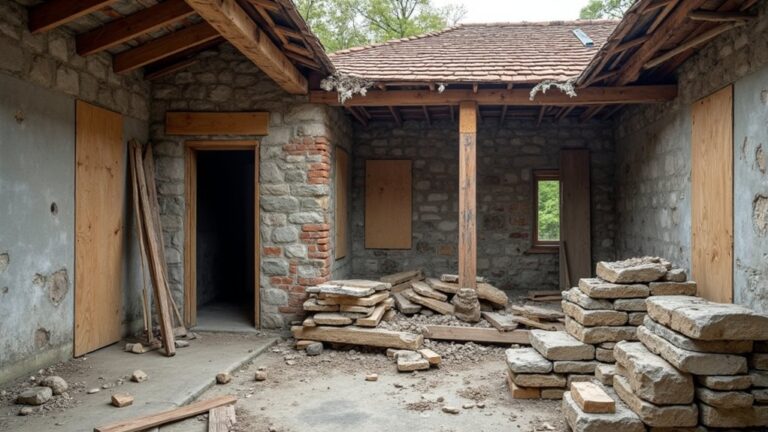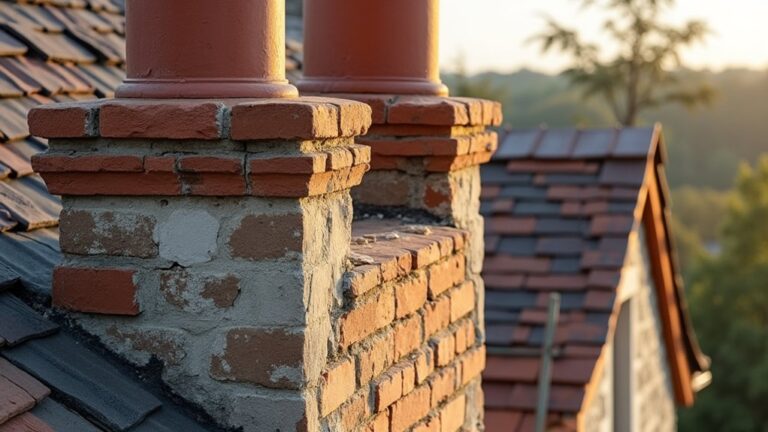

Renovating an older British period home can feel like taking on a whole century of repairs, quirks, and hidden surprises. You’ll need to balance modern comfort with the building’s original character, from hallway cornices and fireplaces to kitchen layouts and draughty windows. Start with a careful survey, then work room by room using sympathetic materials and discreet upgrades. The right approach protects what matters—and reveals where your renovation could quietly go wrong.
Key Takeaways
- Begin with a conservation-accredited survey to identify structural defects, damp, historic features, alterations, and required permissions.
- Restore hallways and living rooms by repairing cornices, fireplaces, staircases, doors, plaster, and floors rather than replacing them.
- Modernise kitchens discreetly with durable, understated cabinetry while retaining original dressers, beams, floorboards, fireplaces, and architectural proportions.
- Upgrade bathrooms using period-appropriate fixtures, water-efficient fittings, improved ventilation, safe electrics, and slip-resistant traditional-looking finishes.
- Improve bedrooms and energy efficiency by repairing windows, roofs, gutters, and pointing before adding breathable insulation, draught-proofing, or secondary glazing.
Survey Your Period Home Before Renovating

Before you renovate, arrange a full survey of your period home to understand its structure, materials, alterations, and potential defects. Ask a conservation-accredited surveyor to inspect foundations, walls, roof timbers, floors, drainage, services, and signs of damp or movement.
You’ll need accurate records of original construction alongside later changes, including inappropriate repairs that may conceal problems. Request photographs, measured drawings, and a prioritised schedule of work, then verify whether your property sits within a conservation area or carries a listing.
This evidence supports responsible Historical preservation and prevents unsuitable modern methods from damaging breathable masonry or historic fabric. Treat the survey as a Structural assessment, not a formality: use its findings to set costs, obtain permissions, and sequence essential repairs before planning decorative improvements or room-specific alterations.
Restore Character in Hallways and Living Rooms
Start with the hallway and living room’s surviving features, because they establish the character of the whole house. Carefully clean, rather than replace, original architectural features such as cornices, ceiling roses, dado rails, panelled doors, staircases, floorboards, and fireplaces.
Test layers of paint for earlier colours, and repair timber with matching materials and traditional techniques. Where plaster has failed, use breathable lime plaster instead of hard cement, which can trap moisture in historic walls.
Restore fireplaces only after checking their condition, flues, and local safety requirements. Choose period lighting that suits the building’s age, while discreetly upgrading wiring and switches.
Retain imperfections that show honest age, but remove later additions that obscure proportion. Finally, use restrained, historically sympathetic colours and durable finishes to unite both rooms without creating a museum-like interior.
Modernise Kitchens Without Losing Period Charm
Modernise the kitchen around its surviving character, retaining original dressers, doors, beams, floorboards, and fireplaces wherever they can be repaired safely.
Pair these features with hard-wearing cabinetry in restrained colours, choosing painted timber or simple Shaker detailing rather than an overly glossy finish.
Conceal modern storage within existing proportions, and use natural stone, timber, or understated composite worktops that complement the house’s age.
Select period appropriate appliances with traditional profiles, or integrate contemporary models behind matching panels.
Upgrade electrics and plumbing discreetly, using qualified professionals and preserving important fabric.
Add vintage lighting, such as enamel pendants or restored wall lights, while ensuring fittings meet current safety standards.
Improve ventilation without dominating the room; a carefully positioned extractor can protect joinery and finishes from moisture and grease.
Upgrade Period Bathrooms for Comfort and Efficiency
Upgrade an older bathroom by improving comfort and efficiency while protecting original tiles, sanitaryware, timber, and decorative fittings wherever they’re sound. Begin with a careful survey: repair leaks, renew failed grout, and check pipework before choosing finishes.
A thermostatic shower, low-flow fittings, and a dual-flush cistern can reduce water use without compromising pressure. If you need a new bath or basin, select luxury fixtures with period-appropriate proportions and finishes, rather than overly modern shapes.
Improve ventilation discreetly to control condensation, using a quiet extractor positioned to minimise visual impact. Refinish timber safely with bathroom-suitable coatings, and choose slip-resistant flooring that complements existing materials.
Let vintage decor guide colours, mirrors, lighting, and hardware, but guarantee every electrical installation meets current regulations. Preserve character, yet make daily routines warmer, safer, and easier.
Improve Bedrooms, Windows and Energy Efficiency

When improving bedrooms in an older British home, protect original fireplaces, cornices, floorboards, shutters, and doors while addressing comfort at its source. Check the roof, gutters, pointing, and damp before adding insulation, or you’ll conceal problems.
Use breathable sheep’s wool or wood-fibre insulation where suitable, and avoid sealing solid walls with impermeable materials. Repair sash windows, fit draught seals discreetly, and consider secondary glazing rather than replacing sound frames.
Keep ventilation effective, particularly after improving airtightness, to prevent condensation and mould. Choose lined curtains, rugs, and shutters to reduce heat loss without compromising period-specific decor.
Restore rather than replace wherever possible, commissioning traditional craftsmanship for joinery and plasterwork. Install efficient radiators or smart controls, but position them carefully so historic features remain visible and bedrooms stay comfortably warm.
Conclusion
Renovating a period home rewards patience, planning and a light touch. As you uncover a cracked cornice behind modern plaster or find original tiles beneath tired flooring, coincidence often reveals the best design guide: the house itself. Follow those clues, repair rather than replace, and conceal modern upgrades wherever you can. With careful surveys, sympathetic materials and efficient improvements, you’ll create a comfortable home that feels neither frozen in the past nor stripped of its character—just thoughtfully renewed.
About the Author